Operating under K&J Brothers Enterprise (Reg. No.: 202203113217 (AS0447615-T)), Crackmaster is your specialized "Wall Crack Partner" dedicated to solving the industry's lack of permanent crack rectification solutions . Unlike traditional rigid repair methods (such as patching and mesh) which often fail due to building movement, we utilize a specialized bottom-to-surface flexible formulation designed to permanently accommodate structural expansion and contraction . We enable developers and contractors to eliminate recurring defects, drastically reducing maintenance costs and site complaints .
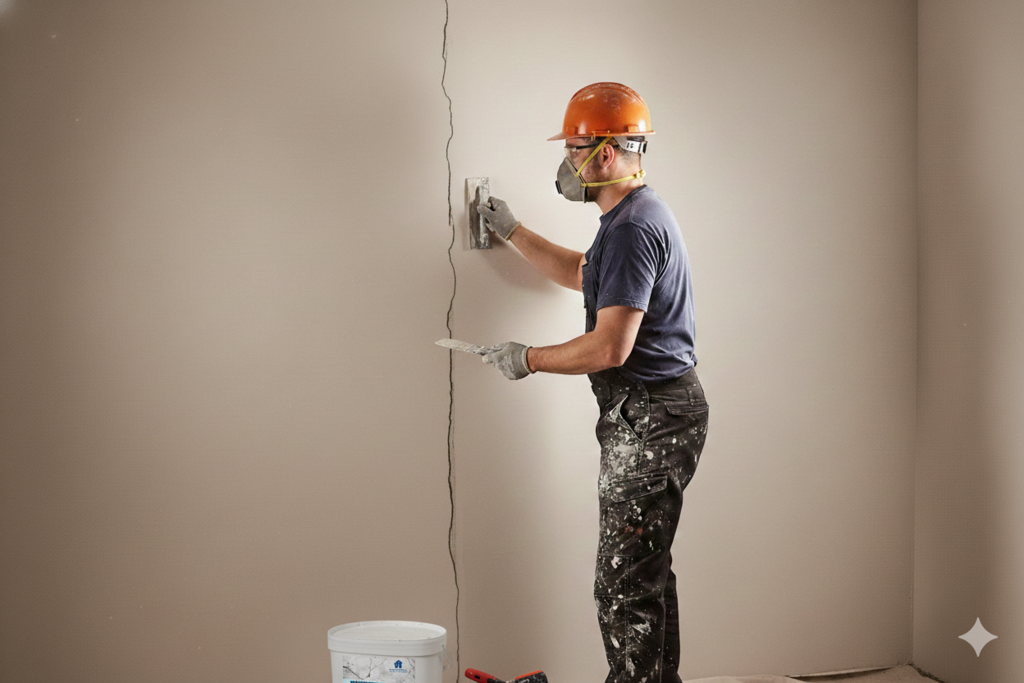
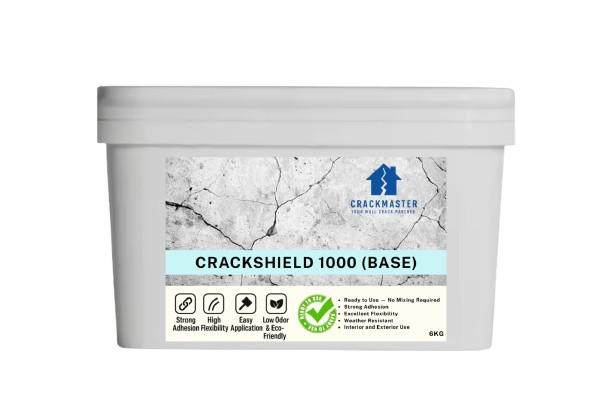
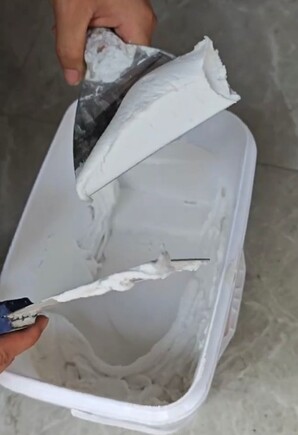
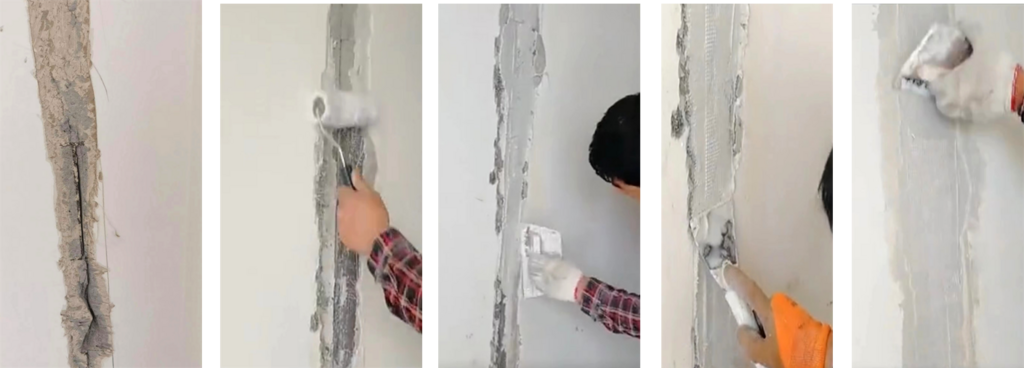
First layer. Used for bonding directly to the crack surface.
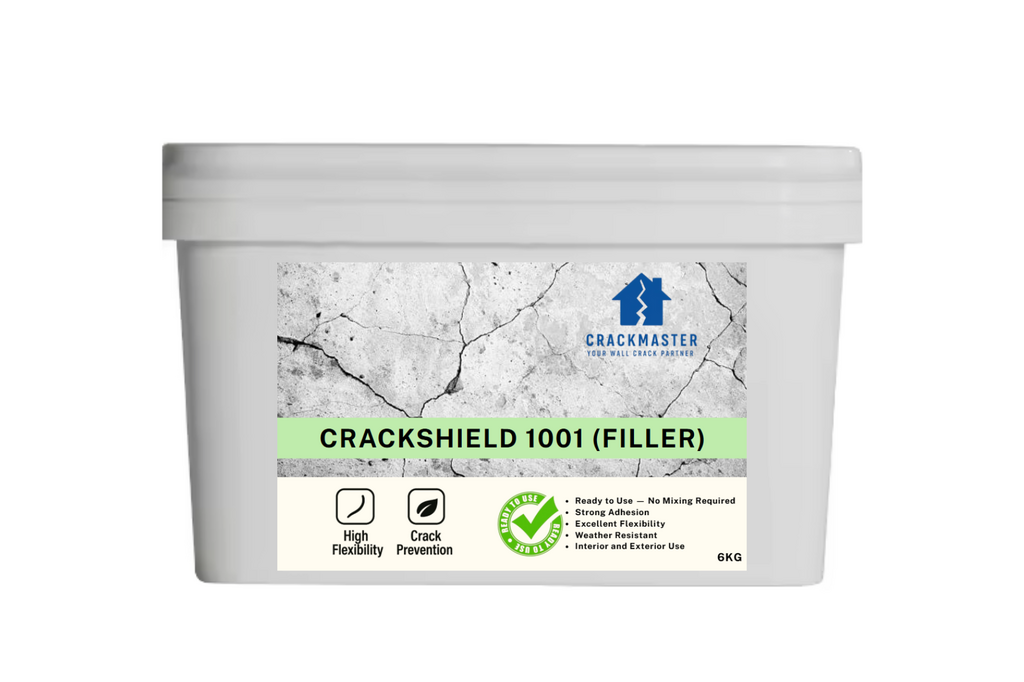
Second layer. Used to fully fill the crack after the base has dried.
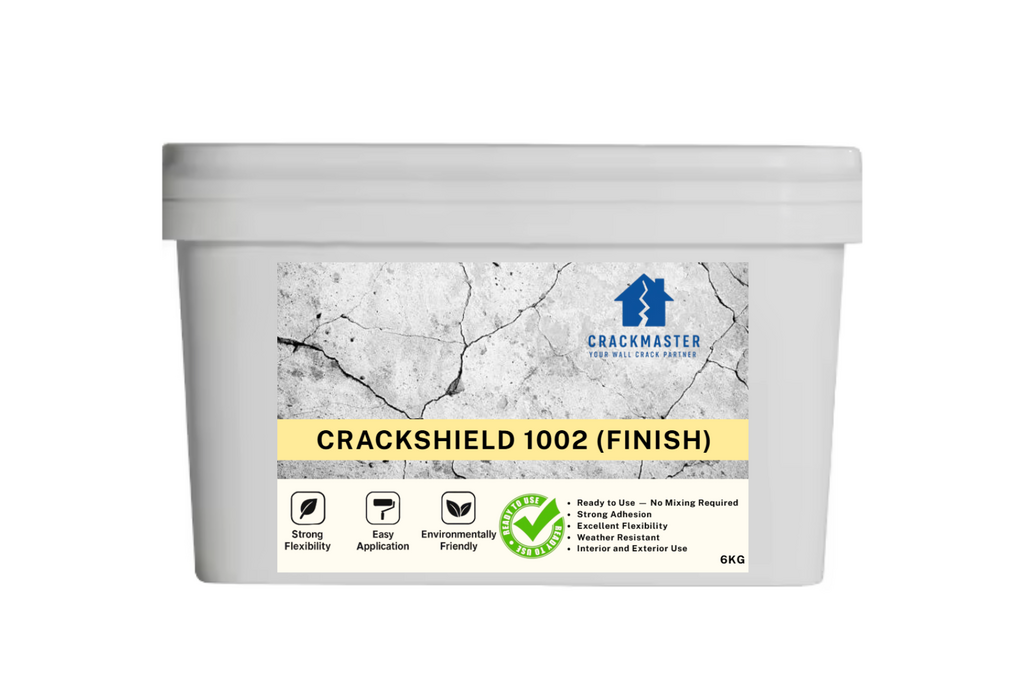
Final layer (Optional). Used as a skim coat purpose after the filler is dry.
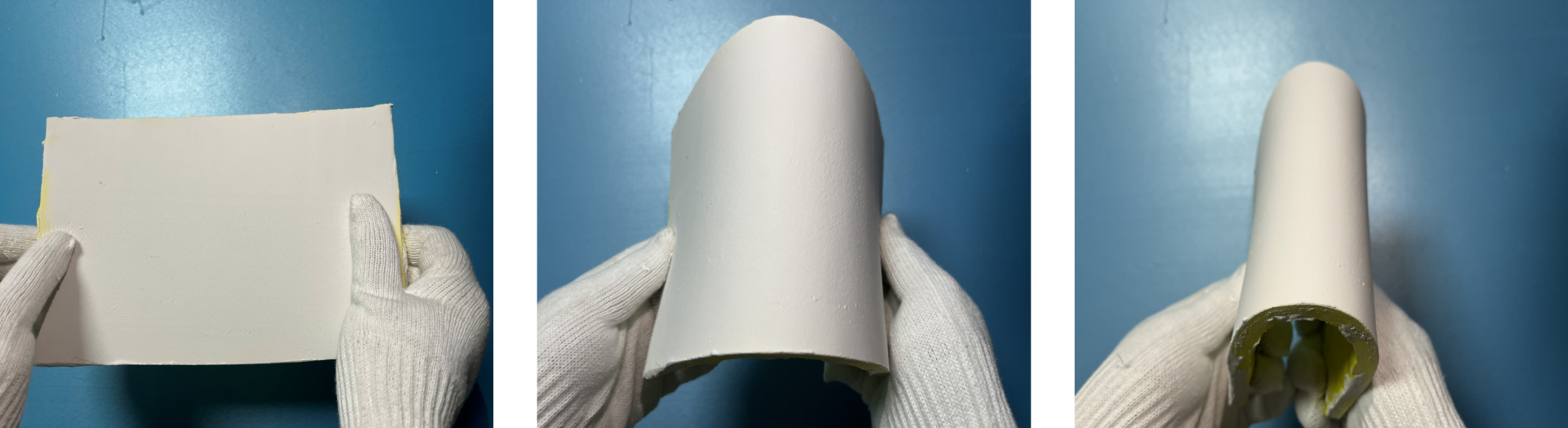
We introduce a solution designed with a bottom-to-surface flexible formulation that effectively accommodates both structural and substrate movement.
Wall cracks happen due to shrinkage, thermal, settlement, crazing, and joint cracks —occur frequently in RC precast walls, AAC panels, and brick walls. Occurrence of crack line damage durability, aesthetics, long-term performance.
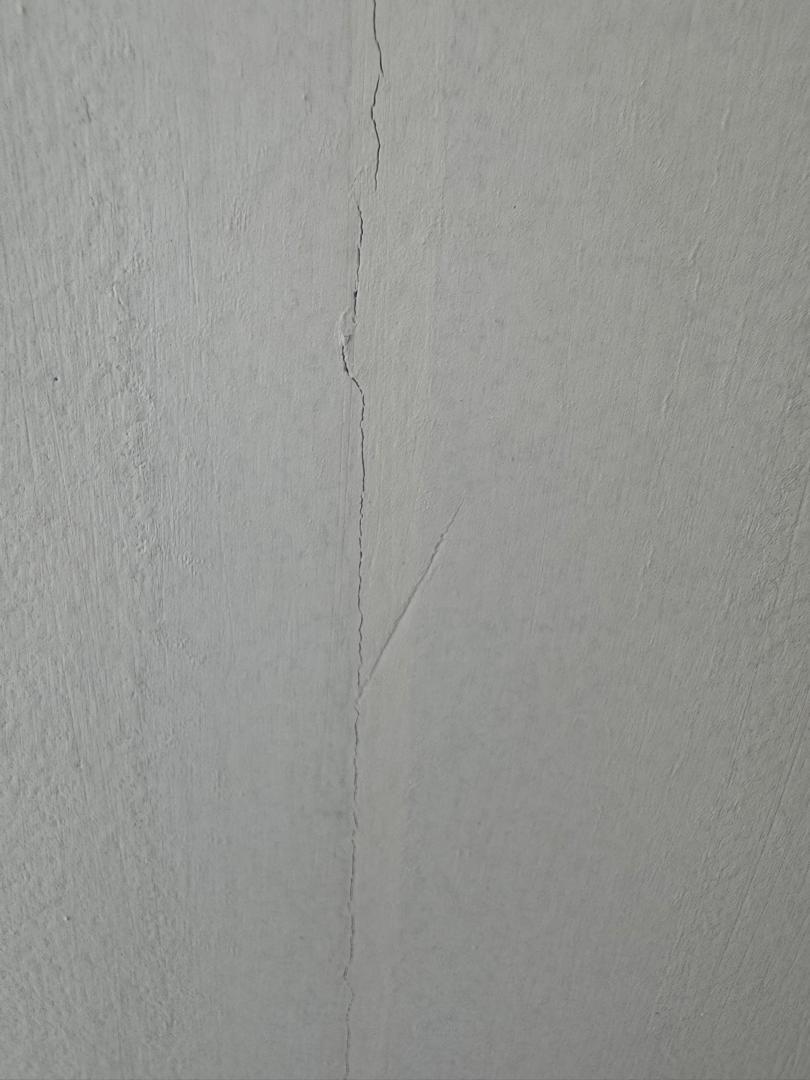
RC Precast Wall Joint Crack
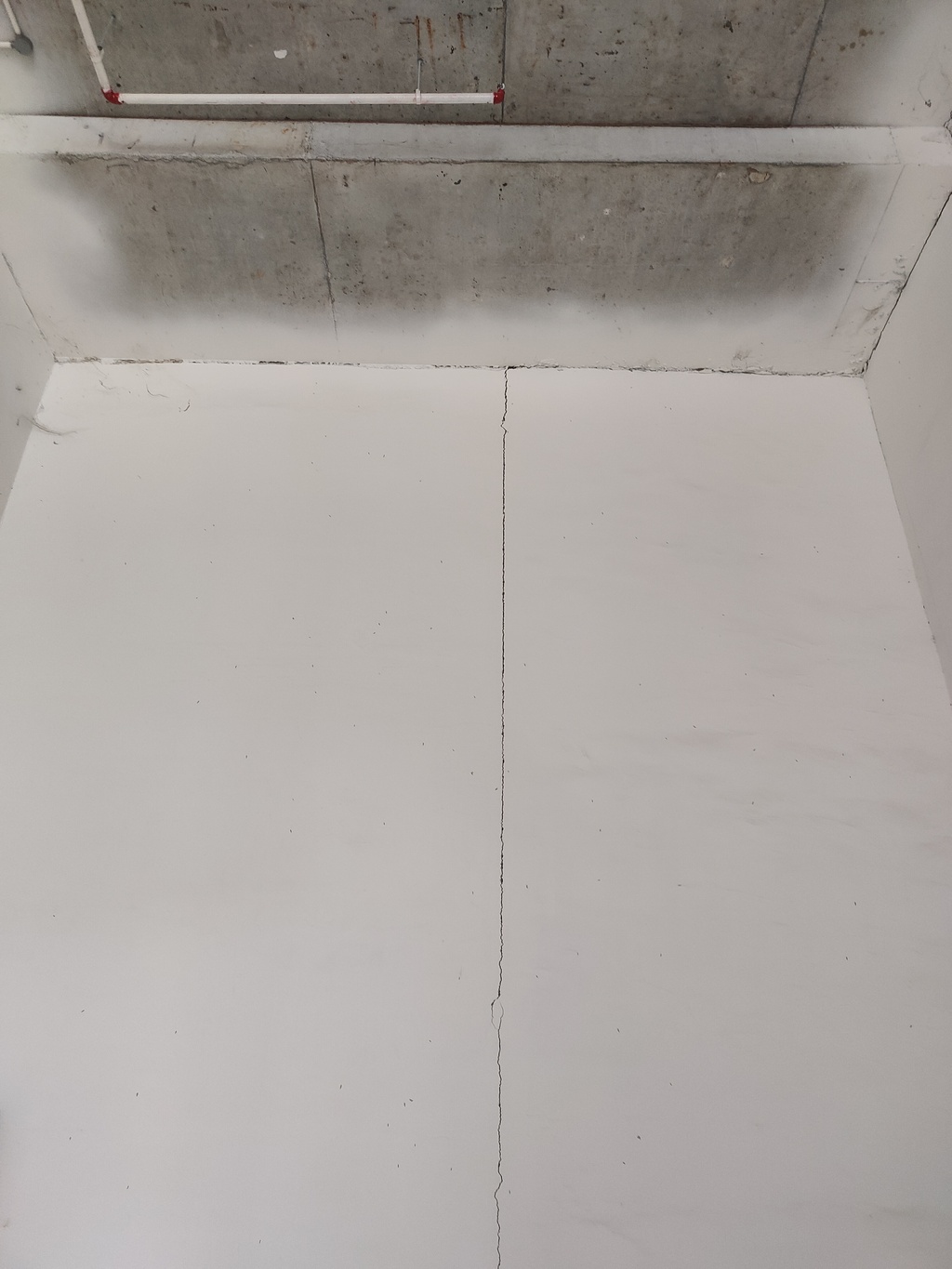
AAC Panel Wall Vertical Crack
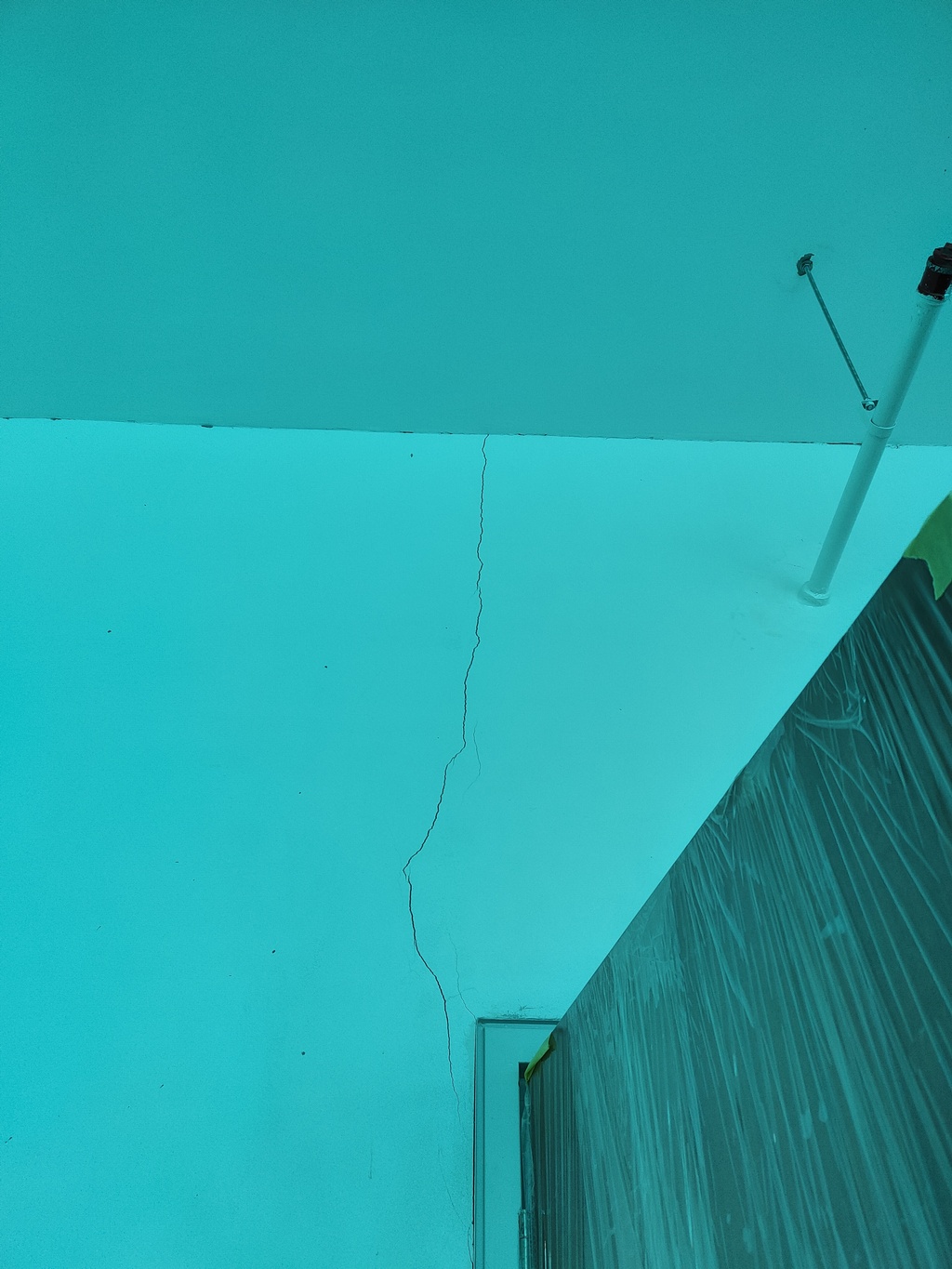
Door Opening Crack
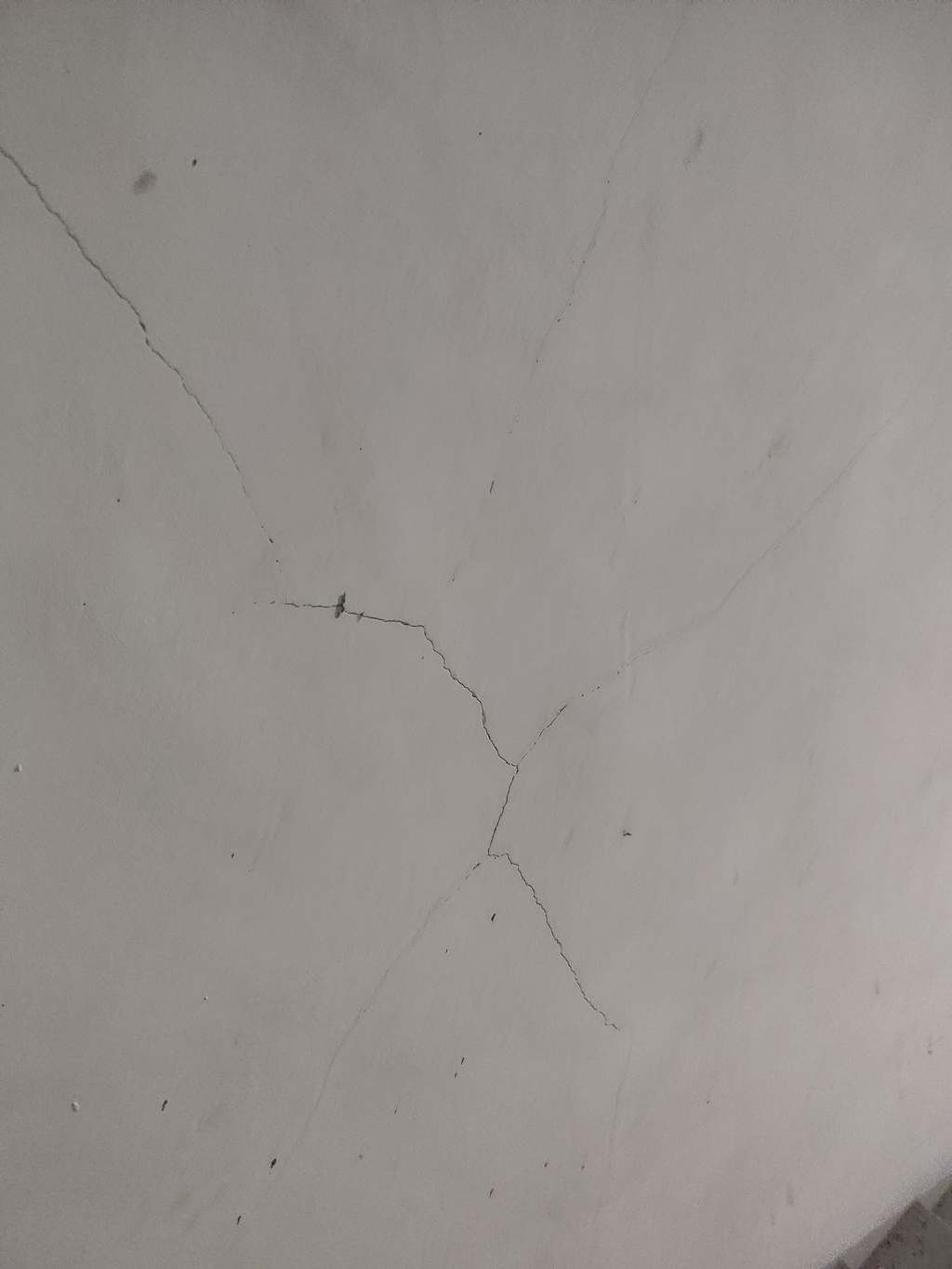
Wall Shrinkage Crack
In today’s industry, the presence of cracks is not the real problem—cracks are naturally caused by many factors. The true pain point is that the market still lacks a solution that can rectify cracks permanently.
Traditional repair methods—such as patching, sealing, skim-coating, and repainting—only deliver temporary results. Due to constant material expansion and contraction, cracks often:
This becomes a major headache issue for developers, contractors, and facility teams, resulting in higher maintenance costs, wasted manpower, and reduced client satisfaction.
Common Traditional Crack Repair Method
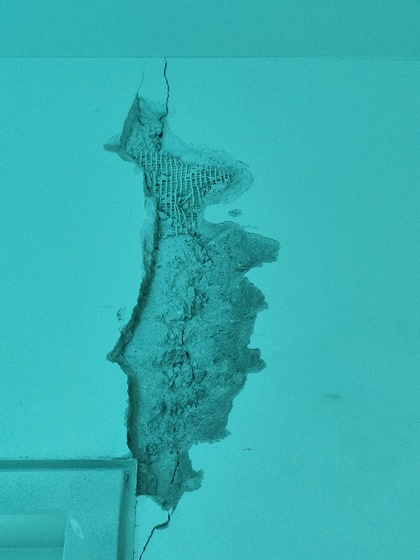
Cracks can reappear in the same place, even if the fiber mesh is still intact with non shrink repair mortar, and may open on both sides.
Inflexible non-shrink mortar cannot accommodate building movement at the weak point (crack line), resulting in repeated cracking.